
- Aasiya Niaz
- 7 Hours ago
Inside the deal: How PIA’s transformation earned Pakistan PKR55 Billion
-

- Web Desk
- Dec 24, 2025
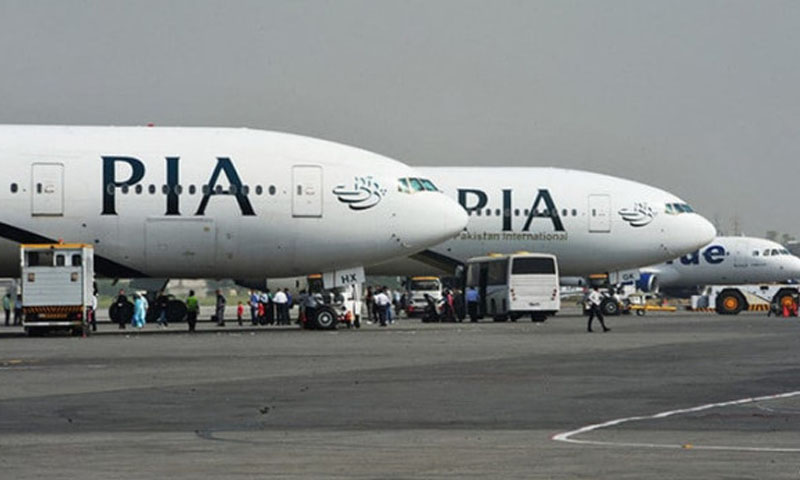
WEB DESK: The Federal Government’s Adviser on Privatisation, Muhammad Ali, declared the process for Pakistan International Airlines (PIA) successfully completed while providing a stark assessment of its past and present during a media briefing.
“It is not the government’s job to run a business,” Ali stated firmly, crediting the high-level leadership of Prime Minister Shehbaz Sharif and the oversight of Chief of Army Staff General Asim Munir for steering the six-month effort to its conclusion. He openly acknowledged past failures, saying, “In the past, many mistakes were made by us.”
The adviser painted a vivid contrast between PIA’s past scale and its current constrained reality. He noted that years ago, the airline operated 50 aircraft, whereas today, from a total fleet of 30, only 18 are operational, with 12 of those on lease. Seven of its aircraft are aged between 12 and 15 years. PIA’s most significant asset, he emphasized, is its portfolio of landing routes.
Financial Burden and a Costly Rescue
Ali detailed the immense financial toll of the state-owned carrier. He revealed that from 2015 to 2024, PIA accumulated staggering losses of Rs. 500 billion, which were covered by public funds. The airline’s performance, he said, began declining after 2009. By 2024, its annual losses had reached Rs. 698 billion.
The privatisation process itself began conceptually in 1990, became a formal initiative in 2005, and saw a previous attempt in 1999. Initially, eight parties expressed interest in the current transaction. Ali countered what he called a “deliberate propaganda campaign” against PIA on social media, which he claimed spreads misinformation about its aircraft.
Current Operations and Future Outlook
Despite the challenges, PIA remains a key player, facilitating 4 million passengers annually, holding a 30% domestic market share, and currently serving 30 locations with approximately 240 weekly round trips. However, Ali warned of a critical juncture: had privatisation not occurred, “PIA might not have been able to fly in two years,” citing its failure to transition timely to digital technology in an era of global innovation.
The financial outcome of the privatisation is now set significantly higher than earlier projections. “The government is not getting 10 billion rupees from this transaction; it will receive 55 billion rupees,” he explained. The deal includes Rs. 10 billion in cash, with Rs. 45 billion representing retained government equity.
Looking ahead, the adviser set realistic expectations, affirming PIA’s future as a regional, not global, airline, with its international flights largely focused on the Middle East. He expressed optimism that privatisation would boost investment and that “PIA’s glory will gradually be restored,” with an expectation for fleet growth in the future. The briefing concluded by noting that PIA’s future, along with that of its approximately 6,700 employees, is now tied to this transformative process.
You May Also Like


