- Web Desk
- 5 Hours ago
Pakistan and US relations: How a once-dismissed ally captured president Trump’s attention
-

- Web Desk
- Dec 22, 2025
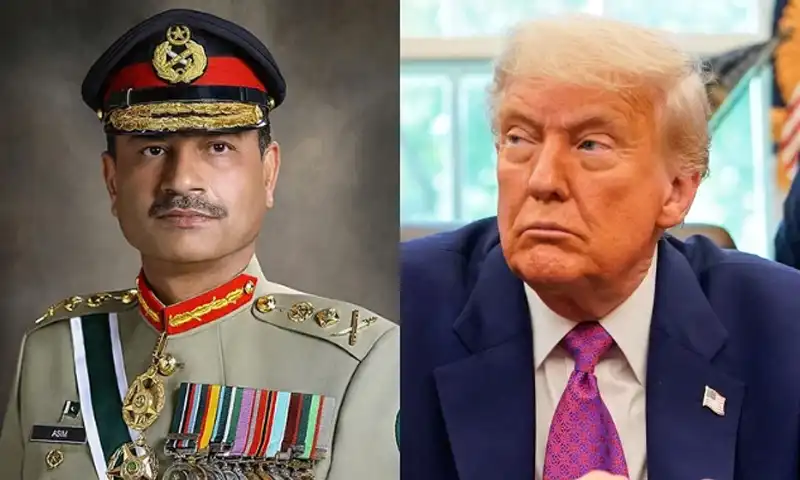
WASHINGTON: Just a year ago, Pakistan was largely written off in Washington. Viewed as politically unstable, strategically unreliable, and too close to China, Islamabad seemed far from the center of US South Asia policy. Analysts warned that Pakistan faced one of its most serious national security challenges in decades.
Fast forward to 2025, and the narrative has flipped. Pakistan has emerged as a key partner in President Trump’s evolving strategy for the region. The transformation began quietly with small acts of cooperation on counterterrorism, which Trump unexpectedly praised in a national address in March. That public recognition marked the start of a rapid reassessment in Washington.
The relationship deepened when Pakistan’s military performance during a brief May clash with India surprised U.S. officials. The show of discipline, strategy, and asymmetric capability challenged long-held assumptions about Islamabad’s effectiveness. Meanwhile, India’s dismissive response to Trump’s mediation only elevated Pakistan’s standing.
Central to this rise is Field Marshal Asim Munir, Pakistan’s army chief and the newly appointed chief of defense forces. His personal rapport with Trump has been described by insiders as a “budding bromance,” and his visits to the White House and Central Command were historic firsts for Pakistani military leaders. These interactions symbolized Pakistan’s new credibility in Washington.
By early 2026, Pakistan sits at the heart of US strategic planning in South Asia and the Middle East. From acting as a discreet channel to Iran to helping counter China’s regional influence, Islamabad now plays a pivotal role in American policy.
What began as cautious outreach has evolved into full-fledged partnership, transforming Pakistan’s global reputation. Once dismissed, Pakistan has captured Trump’s attention—and with it, a new position of influence in US foreign policy.
You May Also Like