
- Sadiq Khan
- Today
Pakistan puts Adil Raja on Fourth Schedule under Anti-Terrorism Act
-

- Web Desk
- Yesterday
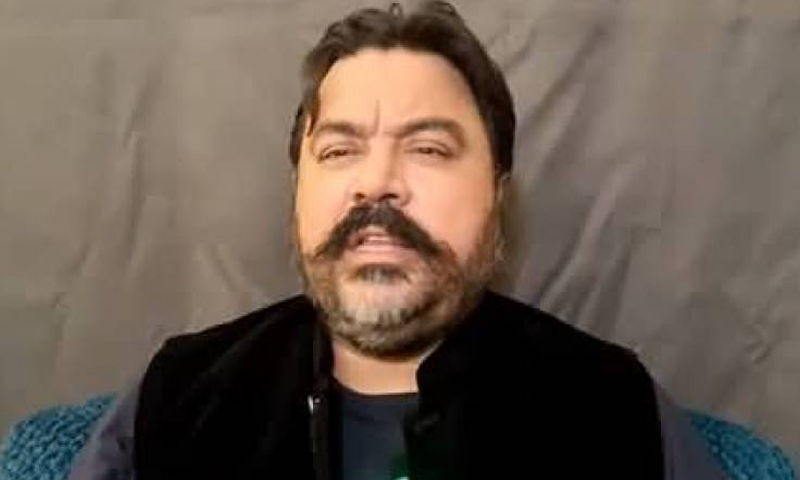
ISLAMABAD: The federal cabinet has imposed a ban on YouTuber and former army officer Adil Raja under Section 11EE of the Anti-Terrorism Act (ATA).
According to a notification issued by the interior ministry, the government has placed his name on the Fourth Schedule for alleged involvement in “activities against the state” and spreading anti-Pakistan narratives through social media platforms.
The interior ministry said that the decision aims to prevent activities deemed harmful to national security and public order.
Earlier, Pakistan had formally requested the extradition of former adviser Shehzad Akbar and Adil Raja from the United Kingdom in an effort to bring both men back to face legal proceedings.
The interior minister had handed over Pakistan’s extradition papers to British High Commissioner Jane Marriott in Islamabad.
During the meeting, Interior Minister Mohsin Naqvi presented what the ministry described as evidence against individuals allegedly involved in propaganda campaigns launched from abroad.
Naqvi stressed that while Pakistan supports freedom of expression, it cannot tolerate fake news and state-undermining activities that challenge national security.
In October 2025, the London High Court delivered a landmark ruling in a defamation case brought by retired Brigadier Rashid Naseer, a former senior intelligence officer.
The court found that Raja’s online allegations — including claims of corruption, electoral interference and abuse of authority — were “false, baseless and unsupported by credible evidence.”
He was ordered to pay substantial damages and legal costs, estimated at around £350,000, and was required to publish a summary of the judgment and a public apology across his social media platforms. An injunction was also issued barring him from repeating the defamatory statements.
Subsequently, Raja admitted in UK court that he had no defence to the defamatory statements made against Brigadier Naseer and complied with the court’s order to post the full judgment and apology on his digital channels.
Extradition Framework and Process
Pakistan and the United Kingdom do not currently have a formal extradition treaty, but both countries operate under arrangements that allow for the repatriation of individuals wanted in criminal matters, immigration violations, or other legal obligations.
Pakistan’s request is expected to trigger a legal review process in UK courts and law enforcement agencies, potentially involving multiple stages of judicial scrutiny and diplomatic engagement.
Officials in Islamabad said the move reflects a broader concern over online misinformation, defamatory narratives and national security, and reaffirmed that individuals who use foreign jurisdictions to spread content deemed harmful to Pakistan’s institutions should be held legally accountable.
You May Also Like