
- Aasiya Niaz
- 1 Hour ago
Trump signs USD900B Defense Bill, backing European Alliance
-

- AFP
- Dec 19, 2025
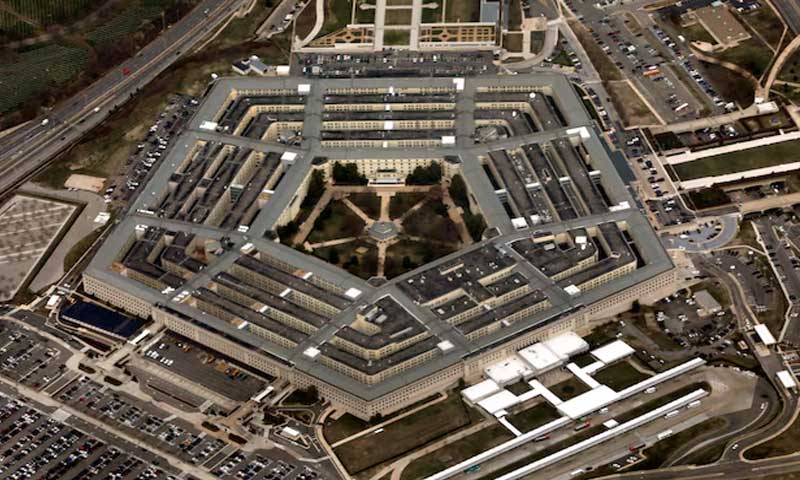
WEB DESK: President Donald Trump signed the annual National Defense Authorization Act (NDAA) into law on Thursday, enacting a USD900 billion military policy bill that underscores strong bipartisan support for U.S. commitments in Europe, even as the President himself has voiced skepticism toward NATO and allied nations.
The legislation, which cleared the Senate on Wednesday following House approval last week, outlines national security and foreign policy priorities for 2026. In a statement, White House spokesperson Anna Kelly highlighted provisions that raise pay for troops, advance a “PEACE THROUGH STRENGTH agenda,” and fund the “Golden Dome” air and missile defense system promoted by Trump. The bill also eliminates certain diversity, equity and inclusion (DEI) programs within the Pentagon, a move applauded by many conservatives, and mandates that military promotions be based on merit.
The passage of the NDAA comes amid strained transatlantic relations, following a White House national security strategy that criticised European nations as over-regulated and insufficiently dedicated to their own defense. That document echoed themes popular with far-right political movements, raising concerns among European allies about America’s long-term commitment to the region.
In contrast, the newly signed defense bill reflects a congressional intent to reaffirm the U.S. role in Europe. It establishes a floor of 76,000 American troops on the continent, prohibiting reductions below that level for more than 45 days without congressional oversight. The legislation also restricts the removal of major military equipment and increases resources for NATO’s frontline states, particularly in the Baltic region, thereby strengthening the alliance’s eastern flank.
Beyond Europe, the act locks in USD400 million in security assistance for Ukraine, ensuring continued support amid ongoing debates over broader funding. It also places new limitations on any drawdown of the 28,500 U.S. troops stationed in South Korea.
The final bill authorises roughly USD8 billion more than the administration initially requested, signaling lawmakers’ willingness to assert defense spending priorities independently. While the package faced criticism from various groups, including conservatives opposed to Ukraine aid and aviation safety experts concerned about relaxed military flight rules, these objections did not threaten its passage. The NDAA remains one of the few major pieces of legislation to consistently garner bipartisan support in a deeply divided Congress.


