- Web Desk
- Dec 23, 2025
Why ‘Made in India’ famed Alisha Chinai say goodbye to Bollywood
-

- Web Desk
- Dec 01, 2025
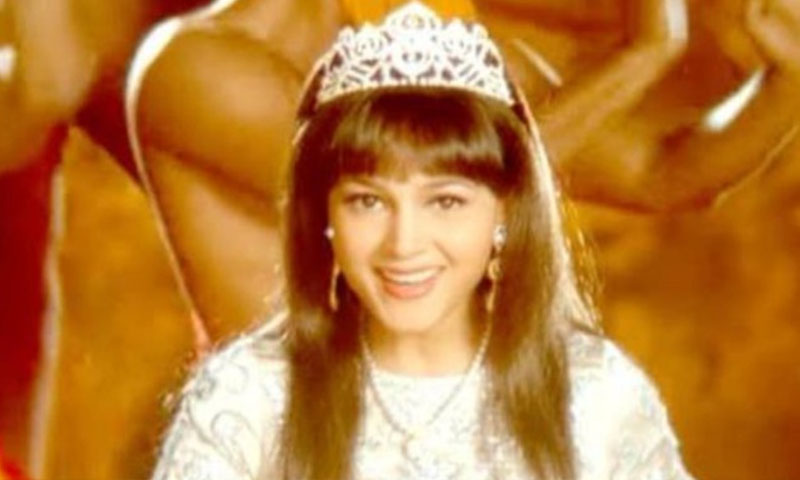
WEB DESK: She was the voice that defined eras. From the pop song “Made in India” to the irresistible “Kajra Re”, Alisha Chinai was the playback heartbeat of the ’90s and early 2000s — bold, glamorous and unforgettable. Her tone was soft yet striking, and her range turned chartbusters into cultural memory. The industry called her “Madonna of India,” and for years, she lived up to that title.
And then — she quietly stepped away.
In a recent interview, Chinai revealed why the voice behind some of Bollywood’s biggest musical waves gradually faded from the mainstream. The decision, she said, was deliberate — an artistic protest against an industry she felt had stopped inspiring her.
“To be honest, I got bored of Bollywood music. As an artist, I was feeling stagnant and wanted to do something different,” she told Free Press Journal.
“There was also politics — and no real fairness or rights for singers.”
Chinai said artists like her were pushed into contracts that she believes were “illegal and exploitative.” She resisted signing them — a move that may have reduced playback offers, but one she stands by.
“I refused to sign. I was fine with being called less,” she said, adding that personal issues also kept her away for long stretches.
Once everywhere — then suddenly rarely heard
Alisha Chinai’s rise in Hindi cinema was meteoric. Through the ’80s and ’90s, her voice powered disco, romance and pop in equal measure. Bappi Lahiri, the king of synthesised Bollywood disco, spotted her talent early — the two went on to deliver hits like Guru, Commando, Dance Dance and Love Love Love. Chinai sang for leading heroines from Sridevi and Smita Patil to Madhuri Dixit, Mandakini and Juhi Chawla — a rarity for any singer of her time.
But her identity wasn’t confined to playback alone
Her independent pop albums Baby Doll, Bombay Girl” and later Made in India cemented her as India’s original pop sensation. Made in India wasn’t just a song — it was a movement. It turned her into a household name and redefined indie pop for an entire generation.
Yet after 2013, her musical presence began to quieten. Her last Bollywood chartbuster remains Dil Tu Hi Bata from Krrish 3, followed only by a single playback track Zindagi Meri Dance Dance for Daddy in 2017.
A voice that chose silence over compromise
Chinai’s exit was not dramatic — it was controlled, thoughtful and rooted in artistic dissatisfaction. She chose distance over creative stagnation, space over industry pressure.
Her legacy remains untouched — a voice that shimmered, soared and made Bollywood dance.
Whether she returns again or remains a nostalgic echo, Alisha Chinai’s music lives on — in playlists, in memories, and in the unmistakable pulse of Made in India.
You May Also Like


- Web Desk
- Dec 20, 2025
Junaid Safdar’s wedding dates announced
